IOLR's Research Strategy
As Israel grows, its environmental strains keep intensifying: scarce freshwater, rising pressure on coastal development, pollution of lakes, rivers and harbors, and disruption to land and water ecosystems. Meanwhile, new offshore energy resources and expanding maritime trade are increasing how Israel uses the seas around it. Because of this, IOLR cannot depend on basic research alone — its mission also includes practical applied research that supports stewardship of Israel's coastline, harbors, continental shelf waters, the deep-water habitats shared across the Mediterranean basin, and inland seas such as the salty Dead Sea and freshwater Lake Kinneret.
With a mostly arid climate, a long ocean coastline and limited freshwater supplies, Israel faces environmental challenges much like those of other Middle Eastern nations. Like its neighbors, it must find sustainable ways to use resources across agriculture, industry and human settlement. Sustainability is essentially about balance and protecting the ecosystems that already exist.
How IOLR's Research Strategy Works
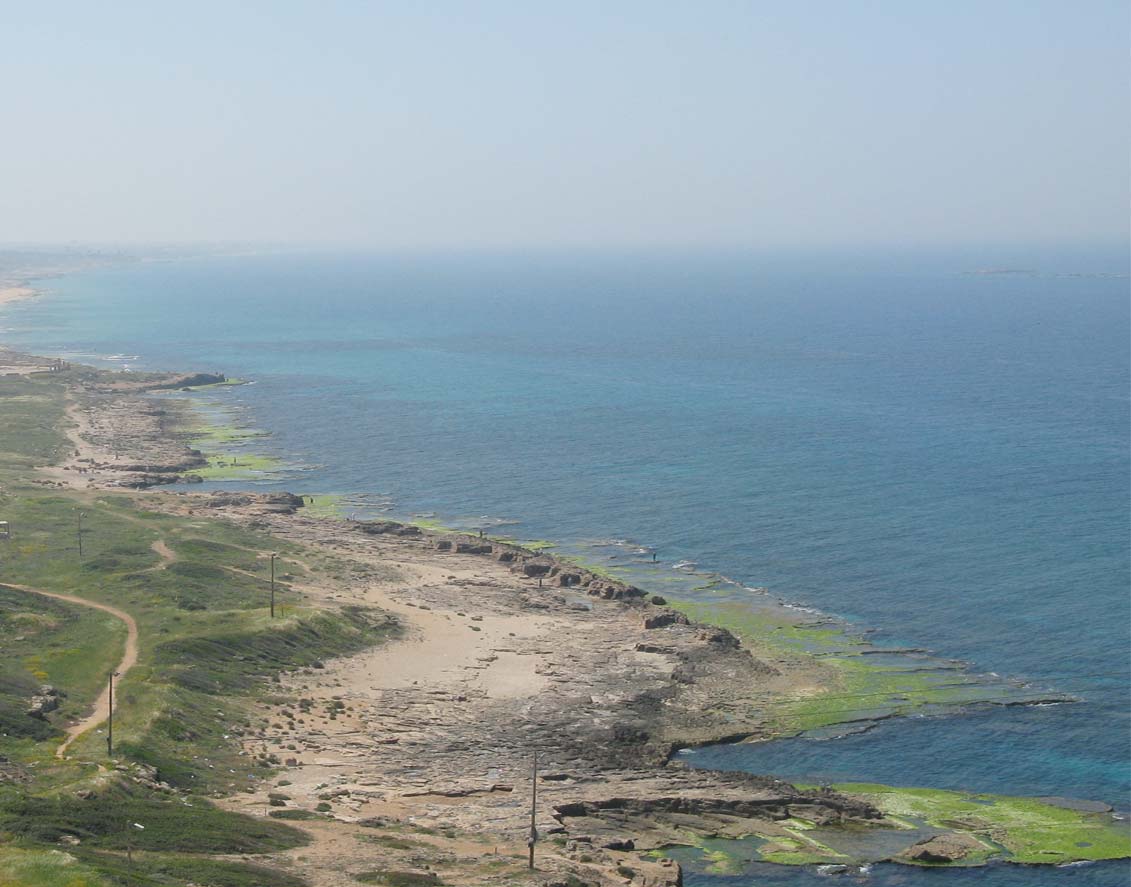
IOLR studies, monitors and protects every sea of Israel: the Mediterranean, the Dead Sea, the Red Sea, and the Galilee/Kinneret.
Frequently Asked Questions
Support NAF-IOLR
Help advance research that protects Israel's seas and inland waters.
Donate Contact Twitter HomeIOLR's dual focus on basic and applied research reflects the scale of Israel's environmental challenges. By studying the Mediterranean, the Dead Sea, the Red Sea and the Galilee/Kinneret, IOLR supports sustainable resource use across agriculture, industry and settlement while safeguarding the ecosystems that already exist.